 Bear Grips Pro Shops
What to Wear for a Landscaping Job: A Practical Dress Code Guide for Owners
- A practical landscaping dress code covers tops, hats, footwear, and pants guidance.
- What we brand (shirts, hoodies, hats) vs what crew sources on their own (pants, boots).
- Weather-based dress code adjustments for summer heat and cold mornings.
- A written standard keeps the crew looking consistent and clients feeling confident.
The Core Landscaping Dress Code
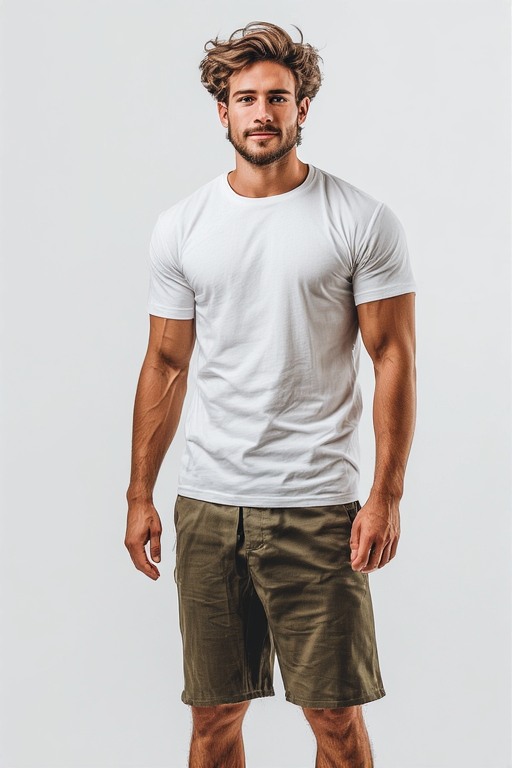
- Top: company-branded tee or long sleeve. Cotton for cooler days, performance polyester for peak summer heat.
- Hat: company-branded snapback, rope hat, or trucker mesh. Brim shade matters as much as brand visibility.
- Pants: solid-color work pants or shorts (khaki, tan, gray, or dark). Crew typically sources these separately since durable work pants sit outside a standard apparel catalog.
- Footwear: closed-toe work boots or shoes. Crew responsibility, not typically part of the branded shop.
- Client-facing: polo instead of tee. For estimates and any front-door conversation.
What Bear Grips Pro Shops Prints and What It Does Not
For full clarity on capability:
- We print and embroider: tees, long sleeves, polos, hoodies, and hats with your logo.
- We do not produce: work pants, safety glasses, gloves, or certified hi-vis safety vests. Source those from your specialty workwear supplier and use the branded apparel program for everything else: daily tees, client-facing polos, cold-weather hoodies, and hats.
Adjusting the Dress Code for Weather
- Peak summer (June-August). Performance tee or long sleeve, light color, mesh trucker hat. Cotton gets heavy and stays wet through an eight-hour shift.
- Spring and fall. Cotton tee or long sleeve, layered with a hoodie for the first hour of the day.
- Cold mornings and winter services. Hoodie as the base layer, company beanie in place of the snapback.
Writing the Dress Code Down
A one-page written dress code prevents the slow drift toward mismatched, faded, off-brand shirts that happens naturally over a season. A working template covers:
- Approved top options by season.
- Approved hat styles.
- Pants and footwear expectations (color, condition, closed-toe requirement).
- When a polo replaces a tee (any client-facing moment).
- Where new hires get their starter pieces (the shop link).
Put the Dress Code Into a Shop
Approved tees, polos, hoodies, and hats, all in one branded shop your crew can order from directly.
Start FreeFrequently Asked Questions
Do you sell work pants for landscaping crews?
No. The catalog focuses on tees, long sleeves, polos, hoodies, and hats. Source durable work pants from a specialty workwear supplier.
What should a crew lead wear differently from the rest of the crew?
A polo instead of a tee for any client interaction, and often a slightly dressier hat style like a rope hat instead of a flat bill snapback.
Should the dress code change for commercial vs residential jobs?
Not dramatically. Commercial and HOA accounts sometimes expect a slightly more buttoned-up look (polo over tee, consistent color), but the core branded pieces work across both.
How do I enforce a written dress code without being heavy-handed?
Pair the standard with subsidized starter pieces. Crew members who received a free branded tee and hat at hire are far more likely to wear them without needing to be told.