 Bear Grips Pro Shops
Roofing Crew Shirts and Dress Code: Building a Branded Crew Look
- A branded crew look without a uniform rental contract.
- Role-based tiering: apprentice, crew, foreman, estimator, owner.
- A simple written dress-code standard keeps the look consistent.
- Single-piece ordering keeps new hires in uniform the same week.
What the Branded Apparel Program Covers (and What It Does Not)
To be clear about scope: the program covers company-branded tees, long sleeves, polos, hoodies, and hats. It does not cover boots, harnesses, fall-protection gear, or certified hi-vis PPE. Buy that equipment from a specialty safety supplier. Use the branded apparel program for everything a crew wears around and underneath that gear, which is most of what customers and passersby actually see.
A Simple Roofing Company Dress-Code Standard
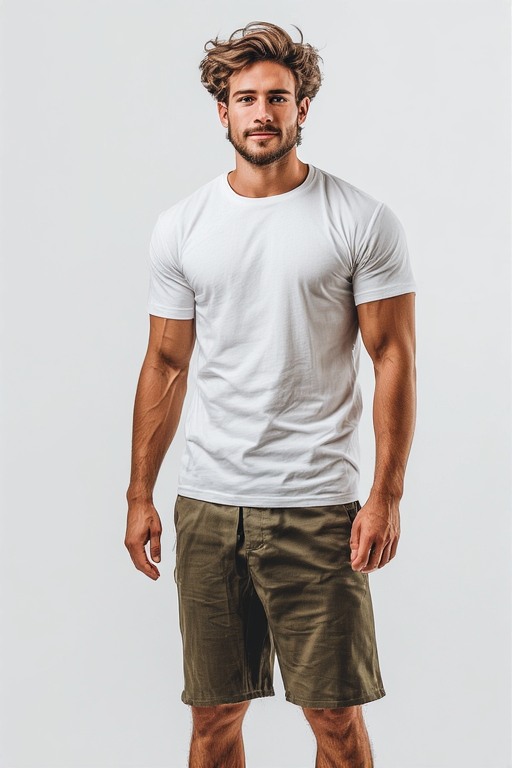
- Approved tee. One or two specific tees with the company logo. No unrelated tees on a job site.
- Approved hat. One embroidered snapback or rope hat style.
- Approved polo for customer-facing roles. Estimators and foremen wear a polo, not a tee, when meeting homeowners.
- Approved hoodie for cold mornings. One style, company logo, avoids a mismatched cold-weather crew.
- Boots, pants, and safety gear. Crew-supplied or company-issued separately, outside the apparel shop.
Role-Based Uniform Tiering
- New hire. Issued one tee and one hat at hire.
- Crew member. Tee plus long sleeve for sun protection, self-serve hoodie.
- Foreman. All of the above plus an embroidered polo for job-site customer contact.
- Estimator or sales rep. Two embroidered polos, one quarter-zip for cool-weather estimates.
- Owner. All of the above plus a heavyweight hoodie and a personal embroidered piece.
Color Rules That Make the Brand Read
- Stick to one or two colors per piece. Black plus heather gray, or navy plus a brand accent color, covers most companies cleanly.
- Bright colors are a preference, not a certification. A crew can choose safety orange or neon for easier visibility on the roof, but that does not make the shirt a certified hi-vis safety product. See the full note on this in the roofing shirts hub.
- Avoid more than three colors across the whole uniform. Customers and neighbors should recognize the crew at a glance.
New Hire Apparel Onboarding Flow
- Day 1. Text or email the new hire the shop link with an order code.
- Day 1-2. New hire orders their tee and hat.
- Day 7-9. Apparel arrives at their home.
- First full week on a crew. New hire shows up in branded apparel without the owner having to track sizes or hold inventory.
Build the Branded Crew Look
Tees, hats, polos, hoodies. One shop, one dress-code standard, every crew member ordering their own size.
Start FreeFrequently Asked Questions
Does the branded apparel program include boots or safety gear?
No. It covers tees, long sleeves, polos, hoodies, and hats. Buy boots, harnesses, and certified safety PPE from a specialty supplier.
Can bright-colored shirts count as our required hi-vis gear?
No. Bright colors in the catalog are a visibility preference, not a certified ANSI or OSHA hi-vis product. Use certified gear from a safety supplier if that is required for a job.
How do I keep the look consistent as the crew grows?
Lock an approved list of pieces and colors in the shop. Anything not on the list is not part of the uniform standard, which keeps new hires consistent with the rest of the crew.
Do we need a written dress-code policy?
A short one helps. It spells out what approved means, when a polo is required over a tee, and who wears which tier of apparel.