 Bear Grips Pro Shops
Cleaning Company Dress Code: Building a Uniform Policy That Sticks
- A written dress code keeps the brand consistent as the team grows.
- Ties directly to in-home trust and client identification.
- Tiered by role: cleaning tech, team lead, sales and estimator.
- Enforceable without a rental contract using an approved shop list.
A cleaning company dress code is not paperwork for its own sake. It is the tool that keeps a growing team looking like one company instead of a rotating cast of independent contractors. For a business built on being trusted inside someone's home, a clear, written uniform standard protects that trust as the company adds cleaners faster than the owner can personally train them. Here is how to build one that actually gets followed.
Why a Written Dress Code Matters for Cleaning Companies
- In-home trust and identification. A client should be able to recognize your team on sight, every time, regardless of which cleaner shows up.
- Consistency at scale. Verbal expectations drift as a team grows past the owner's ability to personally check every cleaner before every job.
- Liability and professionalism. A documented standard shows clients and commercial partners that the company takes presentation and accountability seriously.
- Faster onboarding. New hires read the standard once instead of learning it piecemeal from whoever trains them.
Core Elements of a Cleaning Company Dress Code
A working standard usually covers:
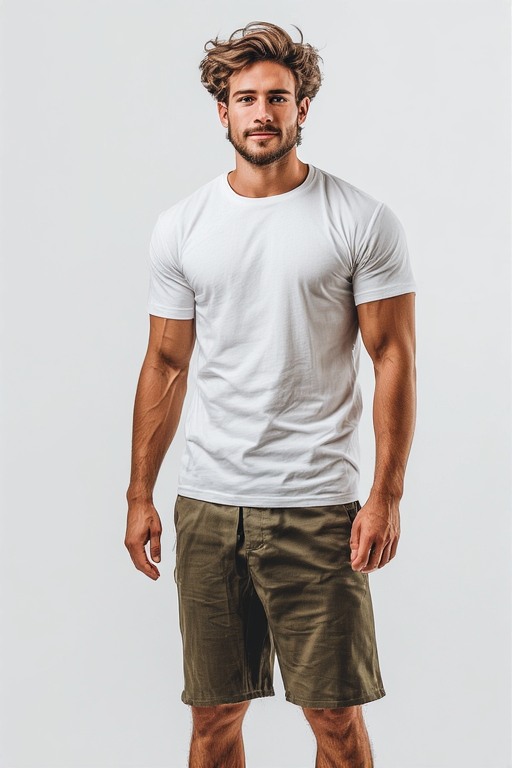
- Approved shirt. One specific tee or polo with company logo. No other branded or unbranded shirts on the job.
- ID badge or name tag. Paired with the branded polo for full identification at the door.
- Footwear. Closed-toe, non-slip shoes appropriate for wet floors and stairs.
- Grooming basics. Hair tied back for safety and hygiene, minimal jewelry that could catch on equipment.
- Outerwear. One approved hoodie or quarter-zip for cold weather, so the branding does not disappear under a personal jacket.
Role-Based Dress Code Tiering
- Cleaning tech. Approved tee or performance tee, company-approved bottoms of their choice, closed-toe shoes.
- Team lead. Embroidered polo, since they are the one who checks in with the client at the start and end of the job.
- Sales and estimator. Cotton pique polo or quarter-zip, no hat, since a hat reads too casual for a bid walkthrough.
- Owner. Sets the tone. An owner who follows the same standard sells the culture faster than any written policy alone.
For the full uniform lineup behind this policy, see what to stock for a cleaning company uniform shop.
Enforcing the Standard Without a Rental Contract
Uniform rental services enforce consistency by controlling what gets delivered every week. A self-serve branded shop does the same job differently: lock the approved list to only the pieces you have designed, and the team can only order what is on that list. New hires are pointed to the shop link on day one, order their approved pieces, and arrive in uniform within the week. See cleaning company uniforms with no minimum order for how the setup works.
Set Your Uniform Standard
Lock in approved pieces, share the shop link, and every new hire arrives in uniform within the week.
Start FreeFrequently Asked Questions
Do I need a written policy if my team is small?
It helps even at 2-3 people, since it becomes the reference for every hire after that and prevents drift as the team grows.
Can I require cleaners to wear only the approved shirt?
Yes, but pairing the requirement with subsidized cost works better than a strict rule alone. Issuing the first 1-2 pieces free covers most of the friction.
Are uniform costs tax deductible for a cleaning business?
Uniform costs are sometimes deductible as a business expense depending on your situation and location. This is not tax advice. Confirm the specifics with your accountant or tax preparer.
How do I keep the standard current as I add new designs?
Update the approved list in your shop whenever a design changes, and retire anything that no longer matches. The team can only order from what is currently listed.